Which minerals are suitable for jewelry?
The key factor is hardness (according to the Mohs scale): Everyday jewelry needs minerals with a hardness of around 7 or higher – quartz varieties like amethyst and citrine, tourmaline, garnet, topaz, and of course the classics corundum (ruby, sapphire) and diamond. Softer minerals like fluorite or calcite are beautiful, but scratch easily in a ring.
From rough stone to polished stone
The cutter decides what a crystal will become: faceted cuts for transparent stones, cabochons for plays of color and inclusions. Often, 50–80% of the raw weight is lost in the process – so good raw material is in high demand. Morocco primarily supplies the jewelry world with agates, amethysts, and quartzes; gold, of course, is the foundation of its metalwork.
When a mineral specimen should remain a mineral specimen
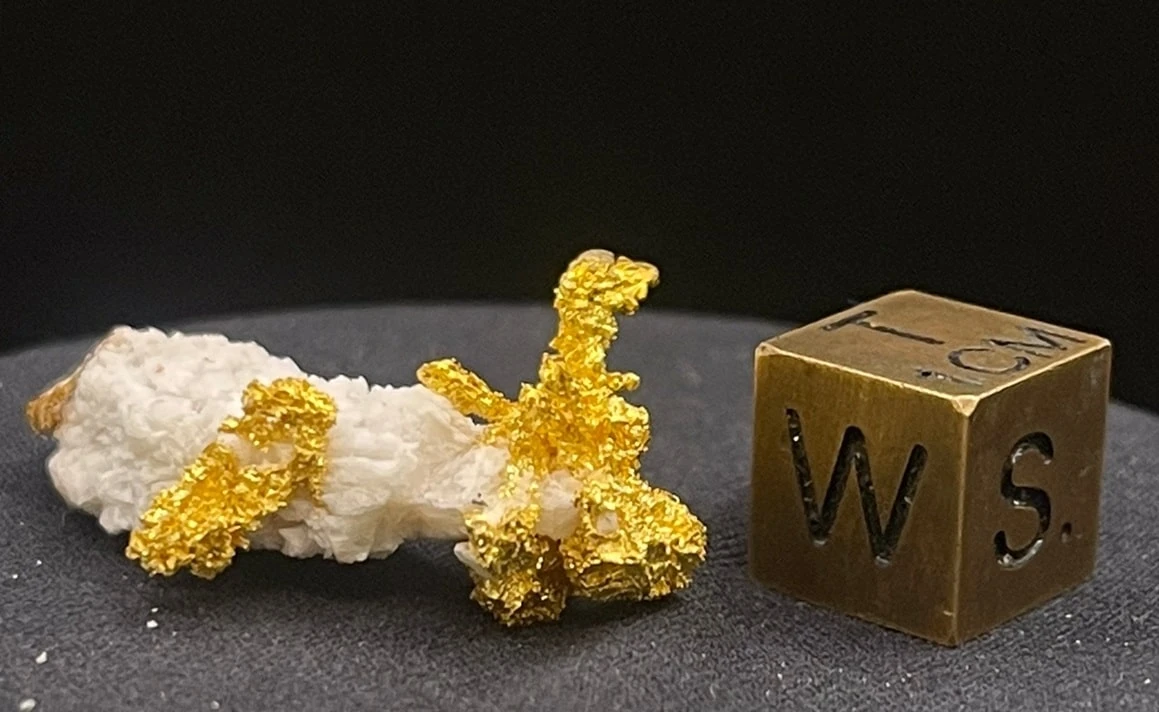
Collector's specimens with perfect crystals are almost always more valuable as natural documents than as polished pieces – a vanadinite from Mibladen belongs in a display case, not on a necklace (especially since it is too soft and contains lead for that). And of course, melting crystallized gold onto quartz would be like buying a painting for the canvas.
Morocco's contribution to the world of jewelry
Morocco has supplied materials to the jewelry industry for centuries: agates and jasper for cabochons, amethyst and rock crystal from the Atlas Mountains, fossilized marble with orthoceras for jewelry and object design – and, of course, traditionally silver , the heart of Berber jewelry craftsmanship. Anyone walking through the souks of Marrakech or Tiznit will see this connection between geology and craftsmanship at every stall.
For jewelry designers and goldsmiths, we procure raw materials in grinding quality upon request – with the same transparency of origin as with our collector grades.
Treated or natural? The labeling question
A large proportion of gemstones on the market are treated: heated (to deepen the color of amethyst/citrine), oiled (emerald), irradiated (blue topax), or stabilized (turquoise). This is legitimate – but must be declared. Always ask when buying: "Natural or treated?" Reputable sellers will answer precisely. For collector's items, the rule is even stricter: Here, any undisclosed treatment significantly reduces the value, as our article " How to Spot Fakes" shows.
Our recommendation for collectors with a passion for jewelry: Keep these two worlds separate. Wear treated stones with pleasure – but collect natural, untreated mineral specimens with documentation. This way, both have their place: the amethyst on your finger and the vanadinite in your display case.
Frequently asked questions about minerals in jewelry
What hardness level is required for a stone to be used in a ring?
For rings worn daily, a Mohs hardness of at least 7 (quartz and above) is recommended – anything below that will show visible scratches with everyday use. Softer stones like fluorite belong in earrings, pendants, or even as a mineral specimen in a display case.
Is treated gemstone of inferior quality?
No – heating or oiling is a centuries-old and legitimate practice, as long as it's declared. Only concealing this information is considered inferior. When buying, ask specifically about treatments; the answer separates reputable providers from the rest.
Does M-Mineralien also buy or sell raw stones or grinding materials?
Upon request, we can source Moroccan rough gemstones of cutting quality – agates, quartzes, jasper – with documented provenance. We deliberately sell collector's specimens as what they are: natural specimens, not cutting blanks.
The most important points in brief
- Hardness determines suitability for everyday use: rings with a Mohs hardness of 7 or higher are suitable; below that, they should only be worn protected.
- Treatments are legitimate, but must be labelled – always ask.
- During grinding, 50–80% of the raw weight is lost; therefore, good raw material is in high demand.
- Top-quality collector's specimens are almost always more valuable in their natural form than as polished pieces.
Practical tip from M-Mineralien: If you want to both wear and collect a mineral, buy two versions: a treated, inexpensive gemstone for everyday wear – and a natural, documented mineral specimen of the same species for display. This way you can enjoy both without compromising on its collectability.
Finally, a look at the cultural dimension: Jewelry has always been the bridge between mineralogy and everyday life – from the Berber silver of the Atlas Mountains to agate craftsmanship and modern goldsmithing. Those who know both worlds see jewelry differently: as polished geology on the wrist. Conversely, the display case gains depth when one knows which raw stone was transformed into which piece of jewelry in which culture. This dual perspective makes collectors more interesting conversationalists – at trade fairs as well as around the dinner table.
For collectors with workshop ambitions, here's a practical tip: Cutting and polishing is a wonderful craft in its own right, with manageable entry costs. Cabochon cutting can be learned in weekend courses offered by many lapidary workshops and clubs. Anyone who has ever cut a self-found agate into a finished stone will understand materials and market prices in a completely new way. We are happy to put together suitable quality raw materials for course participants and hobbyists – Moroccan agates and jasper are ideal, rewarding materials for beginners.