The first pieces: Classics with character
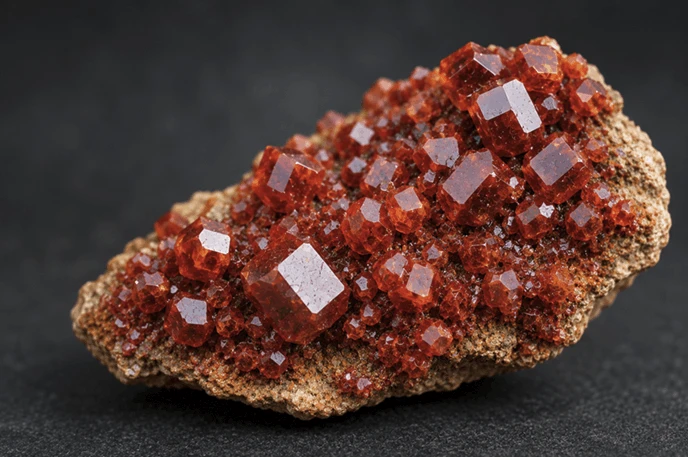
Good entry-level minerals are expressive, robust, and affordable: quartz and amethyst, calcite, pyrite, fluorite – and a small vanadinite , whose rich red color makes it a striking addition to any display case. More important than quantity is appearance: it's better to buy one clean, undamaged piece than three mediocre ones.
Basic equipment for under 50 euros
To begin with, you won't need more than a 10x magnifying glass, soft pads, labels, and a notebook or a table to record the location and purchase dates. Document the provenance of each piece from the very start – this knowledge will be worth its weight in gold later, as our article on valuable collections demonstrates.
The three most common beginner mistakes
First: buy indiscriminately instead of choosing a collecting area (e.g., "Moroccan minerals" or a specific color). Second: fall for doctored photos – buy from dealers with honest pictures and condition descriptions. Third: mistake dyed or artificial "decorative crystals" for collector's items; the article " Recognizing Fakes" explains how to identify them .
And the most important advice: Ask questions. Reputable retailers are happy to advise beginners – we do this daily, in German, English, French, and Arabic.
Their first collecting area: start small, grow smartly
The most important tip for mineral collectors new to the hobby : Choose a focus early on. Proven starting points include "Minerals of one country" (such as Morocco – diverse and affordable), "a mineral class" (e.g., carbonates), or simply "Colors and shapes that inspire me." Having a focus prevents the typical beginner's drawer full of random stones and makes every purchase a conscious decision.
Plan your budget around mineral specimens: The first five pieces should cost less than €200 in total – use them to learn how to examine, document, and present them. After that, it's better to buy less frequently but of higher quality: An €80 specimen of good quality is worth four €20 compromises.
Where beginners can shop safely
You can recognize good sources by honest photos with measurements, specific locations where they were found, and a willingness to answer questions. Mineral shows are ideal for learning (touch, compare, ask questions!); online purchases work best with dealers who have a verifiable origin. It's best to steer clear of anonymous marketplace offers with fanciful names ("Angel Aura Quartz") – the article " Recognizing Fakes" explains why .
And if you want to start with a real eye-catcher: A small Moroccan vanadinite is the most rewarding entry-level piece we know – inexpensive, robust enough for the display case and with a color that will make every visitor ask questions.
Frequently asked questions from beginners
How much should I, as a beginner, spend on a mineral?
For your first few pieces, 15 to 50 euros is perfectly sufficient – you can already find clean, undamaged examples of the classics in this price range. More important than the price is that you carefully select each piece and document its location. Only increase your budget once your eye has become more discerning.
How can I, as a layperson, recognize good quality?
Three things you can check without prior knowledge: undamaged crystal points and edges (check with a magnifying glass), natural luster instead of dull or oily surfaces – and a specific location where it was found instead of a fanciful name. If any of these are missing, move on.
Display case or drawer – how do I store the first pieces?
A combination of both: The two or three most beautiful pieces should be displayed dust-free in a small glass case or under a glass dome, while the rest are individually nestled in a shallow drawer or sturdy sorting box. Important: Never store stones loosely next to each other – scratches can occur in seconds.
The most important points in brief
- a collecting area early on – for example, “minerals from Morocco” – instead of buying indiscriminately.
- Better a few good pieces than many compromises: quality beats quantity from day one.
- Basic equipment under 50 euros: magnifying glass, labels, catalog – and note the location where you find each piece.
- Buy safely from retailers with honest photos, measurements and specific information about the origin.
Practical tip from M-Mineralien: Don't buy your first piece online, but at a mineral show – there you can touch and compare hundreds of mineral specimens and ask questions. Afterwards, you'll know what quality feels like and can evaluate online offers much more confidently. Your second piece can then be a Moroccan vanadinite from us.
Finally, perhaps the most important point: Take your time. The most beautiful collections develop over years of conscious, individual decisions – not in a buying frenzy. As a beginner, set yourself a learning goal each month (understand a mineral class, visit a pet fair, read a book) instead of a purchase goal. Your knowledge will then grow faster than your collection – and that's precisely the right order: The more you know, the better, more affordable, and more enjoyable your purchases will be. The rest will fall into place – piece by piece, each with its own story.