Morocco: the Eldorado of North Africa
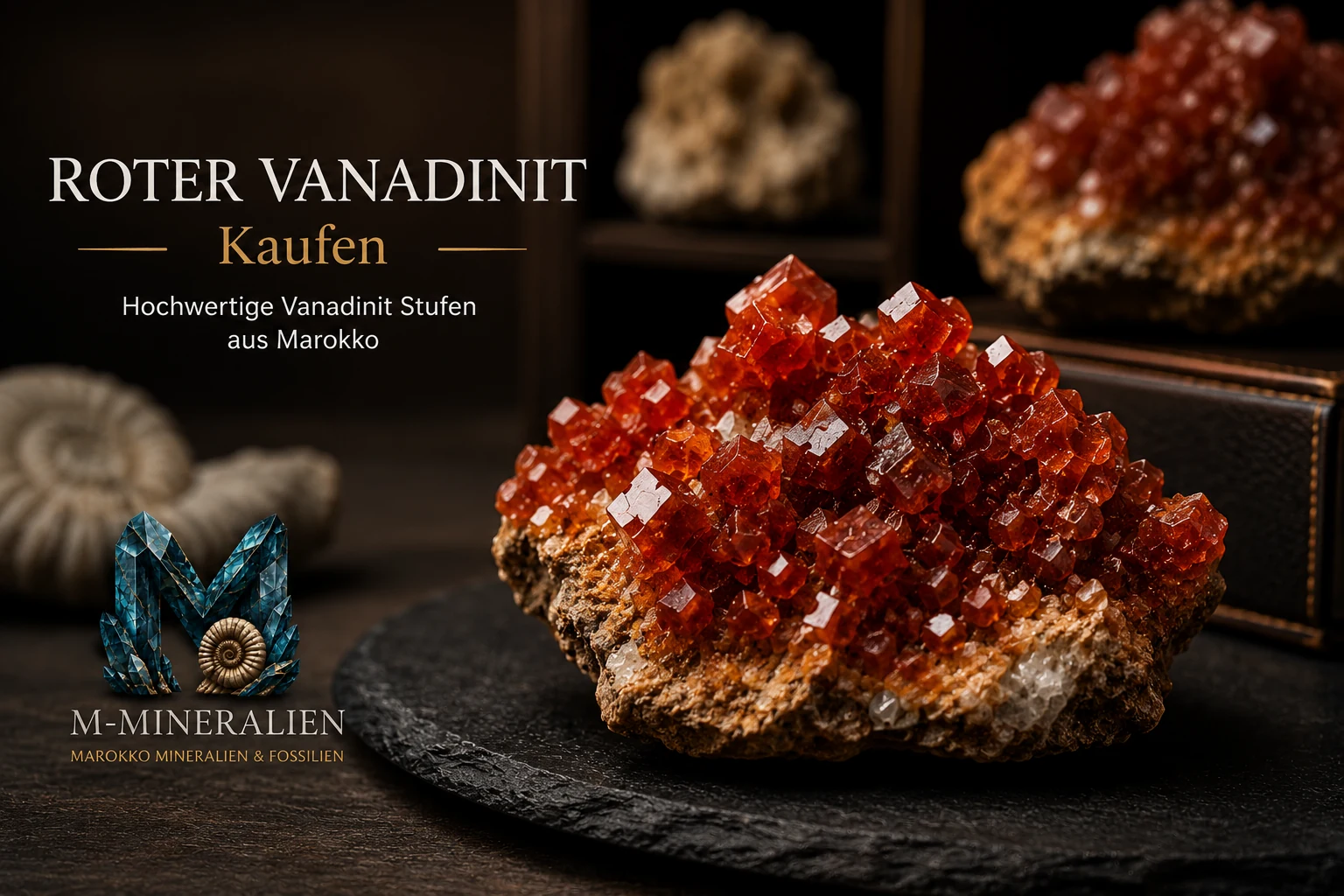
For mineral collectors, Morocco is one of the most rewarding destinations worldwide: vanadinite near Mibladen , azurite near Touissit, barite, aragonite, and the fossil fields around Erfoud. Important: The productive sites are located in active mining areas – independent digging is neither permitted nor safe. Visitors are best advised to buy directly from established local dealers.
Alps, Germany and Co.
In Europe, the Alpine fissures (rock crystal, smoky quartz – some with fissure-patented stones), the classic Ore Mountains, the Black Forest, or Idar-Oberstein with its agate tradition are all attractive. Everywhere, the rule is: Do your research beforehand! Many sites are located in protected areas, on private property, or require permits. Using a hammer and chisel without permission can be costly.
Honest assessment: Collecting vs. Buying
Even found specimens have sentimental value – but the truth is: the quality available today at mineral shows and dealers is practically never found by a hobby collector in the field. Anyone wanting to build a high-quality collection combines both: the experience of collecting and the targeted purchase of selected mineral specimens. You can read about how to recognize quality under " Buying Minerals" and in the article " Valuable Mineral Collections ."
Preparation: How to make your collecting trip a success
The best locations are of little use without preparation. Essential equipment includes safety glasses, sturdy gloves, a geologist's hammer and chisel, newspaper for wrapping – and a note for each find with the location and date . This information will later determine its value to collectors; a stone without a location is just a stone. Research the type of rock and typical minerals of the region beforehand: those who know what they are looking for will find measurably more.
Legally, in Germany and most other countries, collecting is only permitted with the landowner's or operator's permission, never in nature reserves, and only in quarries with a permit, and never alone. Many clubs organize legal collecting tours with insurance coverage – the best way for beginners to get started.
Mineral collecting in Morocco: a realistic perspective
Morocco is primarily a place for tourists to buy minerals , not for collecting them themselves: The productive deposits of vanadinite , azurite, or fossils are located in active, sometimes privately owned, mining areas. Nevertheless, visitors to the region will experience more mineralogy at the mineral markets of Midelt and Erfoud than at many a mineral show – and those specifically seeking quality will find the best deals by buying directly from local dealers anyway.
Our tip: Combine both. Collect the experiences at home – and let us deliver world-class mineral specimens, which no tourist can find themselves, directly from the source. How this works is explained in our " Buying Minerals" section .
Frequently asked questions about collection points
Am I allowed to simply collect minerals in Germany?
No – generally, every stone belongs to the landowner. You need their permission, and in quarries, you also need the operator's permission. Collecting is generally prohibited in nature reserves. The easiest way to collect legally is through organized club excursions with all necessary permits.
What equipment do I really need as a beginner?
Less than you'd think: safety goggles, sturdy gloves, a geologist's hammer, one or two chisels, newspaper for wrapping, a backpack – and a pen and paper for noting the location. All together under 100 euros. More important than equipment is knowledge of the site.
Is a group trip to Morocco worthwhile?
A must-do as an experience – the mineral markets of Midelt and Erfoud are unique. Not so much as a self-collecting trip: the productive sites are active mining areas and inaccessible to visitors. The better strategy: enjoy the trip and buy quality specimens directly from the local dealers.
The most important points in brief
- The best collecting sites are only useful with preparation: know the rock, obtain permission, take safety seriously.
- Every find needs a location note immediately – it turns the stone into a collector's item.
- Europe offers legal options through associations; Morocco is primarily an outstanding country for purchasing goods .
- Top quality is practically never found in the field – it comes from specialist retailers with access to the source.
Practical tip from M-Mineralien: Use a "two-list strategy": List 1 for locations you want to visit yourself (experience), List 2 for desired specimens that are only available through dealers (quality). This way, each collecting goal gets the right approach – and your budget is used to its fullest potential.
One final thought on planning: The "best" places are always those that match your experience level. Beginners often overestimate exotic destinations and underestimate the treasures of their own region – yet local quarries, with permission, often provide the most instructive days. Progress your goals as your skills develop: first club excursions, then independent trips, and later international collecting trips with local guides. And document each trip like a discovery – date, location, companions, and results. Over the years, this list of trips will become your personal database of collecting sites, one that many a club will envy.